Domain indigotin.de kaufen?
Wir ziehen mit dem Projekt
indigotin.de um.
Sind Sie am Kauf der Domain
indigotin.de interessiert?
domain@kv-gmbh.de · 0541-91531010
Domain indigotin.de kaufen?
Haben Wurzeln Chloroplasten?
Nein, Wurzeln haben keine Chloroplasten. Chloroplasten sind Organellen, die in Pflanzenzellen vorkommen und für die Photosynthese verantwortlich sind. Da Wurzeln hauptsächlich für die Aufnahme von Wasser und Nährstoffen aus dem Boden zuständig sind, benötigen sie keine Chloroplasten. Stattdessen sind Chloroplasten in Blättern und anderen grünen Teilen der Pflanze zu finden, wo sie Sonnenlicht absorbieren und in Energie umwandeln. Wurzeln sind daher nicht in der Lage, Photosynthese zu betreiben, da ihnen die Chloroplasten fehlen. **
Welche Zellen haben Chloroplasten?
Welche Zellen haben Chloroplasten? Chloroplasten kommen hauptsächlich in Pflanzenzellen vor, insbesondere in den Zellen von grünen Pflanzenteilen wie Blättern. Sie sind für die Photosynthese verantwortlich, den Prozess, bei dem Pflanzen Lichtenergie in chemische Energie umwandeln. Neben Pflanzenzellen können auch einige Algenzellen Chloroplasten enthalten. Tierzellen besitzen in der Regel keine Chloroplasten, da sie nicht in der Lage sind, Photosynthese durchzuführen. **
Ähnliche Suchbegriffe für Chloroplasten
Top-Angebote
Produkte zum Begriff Chloroplasten:
-
Natural Tye-Dye Cotton Bag (8oz) - 38x42x12cm - Blue Flower - Blue HandleNatural Tye-Dye Cotton Bag in a beautiful Blue Flower design with a matching blue handle. This eco-friendly bag is handmade using 100% natural cotton and measures 38x42x12cm, providing ample space for everyday essentials.The unique Blue Flower design is created using traditional tie-dye techniques, making each bag one-of-a-kind. The bag features a matching blue handle that complements the blue flower design and makes it easy to carry over the shoulder.This Natural Tye-Dye Cotton Bag is an eco-friendly option, making it perfect for customers who are looking for a sustainable alternative to traditional shopping bags. Experience an affordable and high-quality accessory that is both fashionable and sustainable. Dimensions: 38x42x12cm, handle length: 33 cm10,50 €*Versand: 5,85 €Sichere Weiterleitung zum Anbieter
-
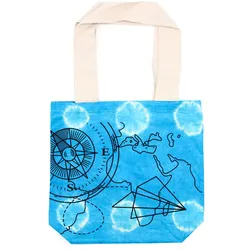
Tye-Dye Cotton Bag (6oz) - 38x42x12cm - Compass - Blue - Natural HandleThis Natural Tye-Dye Cotton Bag is a stylish and eco-friendly accessory that is sure to catch every eye. Measuring 38x42x12cm, this spacious bag is handmade using 100% natural cotton and features a unique tie-dye design with blue rings, making each bag one-of-a-kind.The bag is also designed with a natural handles, that smooths the whole look and makes it easy to carry. The durable cotton material ensures that the bag is strong enough to hold heavy items, while the long handle makes it comfortable to carry over the shoulder.Natural Tye-Dye Cotton Bag - Compass - Blue with natural handles is perfect for those who are looking for a sustainable alternative to traditional shopping bags. Dimensions: 38x42x12cm, handle length: 33 cm10,50 €*Versand: 5,85 €Sichere Weiterleitung zum Anbieter
-
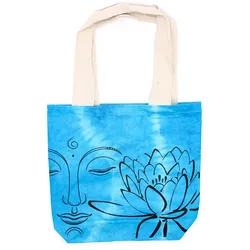
Tye-Dye Cotton Bag (6oz) - 38x42x12cm - Lotus Buddha - Blue - Natural HandleIntroducing our Tye-Dye Cotton Bag with Buddha and Lotus design, perfect for customers who are looking for a stylish and eco-friendly accessory. Measuring 38x42x12cm, this bag is handmade using 100% natural cotton and features a unique tie-dye design with blue colour, that make each bag one-of-a-kind.The bag is designed with a natural handle that complements the pastel tones of the blue, making it easy to carry the bag comfortably over the shoulder. The durable cotton material ensures that the bag is strong enough to hold heavy items.This Natural Tye-Dye Cotton Bag is also an eco-friendly option, making it perfect for those who are looking for a sustainable alternative to traditional shopping bags. Dimensions: 38x42x12cm, handle length: 33 cm10,50 €*Versand: 5,85 €Sichere Weiterleitung zum Anbieter
-
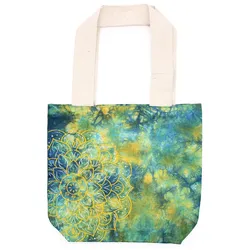
Tye-Dye Cotton Bag (6oz) - 38x42x12cm - Mandela - Green/Blue - Natural HandleTie-Dye Cotton Bag with a mandala pattern, in a beautiful shade of blue and green, featuring a natural handle. Made from high-quality cotton material, this bag is both soft and durable, making it a reliable companion for all your travels. The unique tie-dye technique used to create the bag's stunning pattern ensures that no two bags are exactly alike.Dimensions: 38x42x12 cm, handle length: 34 cm10,50 €*Versand: 5,85 €Sichere Weiterleitung zum Anbieter

-
Haben alle Pflanzen Chloroplasten?
Haben alle Pflanzen Chloroplasten? Chloroplasten sind Organellen, die in Pflanzenzellen vorkommen und für die Photosynthese verantwortlich sind. Nicht alle Pflanzen besitzen Chloroplasten, da einige parasitäre Pflanzen oder Pflanzen ohne grüne Blätter keine Photosynthese betreiben. Einige Algenarten und bestimmte Bakterien besitzen ebenfalls Chloroplasten. Insgesamt sind Chloroplasten jedoch hauptsächlich in Pflanzenzellen zu finden, da sie für die Umwandlung von Sonnenlicht in Energie essentiell sind. **
-
Hat der Mensch Chloroplasten?
Nein, der Mensch hat keine Chloroplasten. Chloroplasten sind Organellen, die in Pflanzenzellen vorkommen und für die Photosynthese verantwortlich sind. Menschen und andere Tiere haben keine Chloroplasten in ihren Zellen, da sie ihre Energie auf andere Weise gewinnen, nämlich durch die Aufnahme von Nahrung. Die einzigen Zellen im menschlichen Körper, die Chloroplasten enthalten könnten, wären Zellen, die von Pflanzen aufgenommen wurden, wie zum Beispiel bei der Nahrungsaufnahme. Insgesamt kann man also sagen, dass der Mensch keine Chloroplasten besitzt. **
-
Welche Zellen enthalten Chloroplasten?
Welche Zellen enthalten Chloroplasten? Chloroplasten sind in Pflanzenzellen enthalten, insbesondere in den Zellen von grünen Pflanzenteilen wie Blättern, Stängeln und grünen Früchten. Sie sind auch in einigen Algenzellen zu finden, die ebenfalls Photosynthese betreiben. Chloroplasten sind spezialisierte Organellen, die Chlorophyll enthalten und für die Photosynthese verantwortlich sind, bei der Lichtenergie in chemische Energie umgewandelt wird. Diese Organellen sind entscheidend für die Produktion von Nahrungsmitteln in Pflanzen und spielen eine wichtige Rolle im Ökosystem. **
-
Haben Chloroplasten eine Doppelmembran?
Haben Chloroplasten eine Doppelmembran? Chloroplasten haben tatsächlich eine Doppelmembran, die sie umgibt. Die äußere Membran dient als Schutzschicht und reguliert den Transport von Molekülen in und aus dem Chloroplasten. Die innere Membran enthält Proteine, die für die Photosynthese und andere Stoffwechselprozesse wichtig sind. Diese Doppelmembranstruktur ermöglicht es den Chloroplasten, ihre Funktionen effizient auszuführen und Energie für die Pflanze zu produzieren. **
Wie sind Chloroplasten aufgebaut?
Chloroplasten sind doppelmembranumhüllte Organellen, die in Pflanzenzellen vorkommen. Sie enthalten eine flüssigkeitsgefüllte Matrix, das Stroma, in dem sich Thylakoide befinden. Diese Thylakoide sind gestapelte Membranscheiben, die Chlorophyll und andere Pigmente enthalten und für die Photosynthese verantwortlich sind. **
Warum haben Tiere keine Chloroplasten?
Tiere haben keine Chloroplasten, da sie sich nicht durch Photosynthese ernähren. Im Gegensatz zu Pflanzen und manchen Algen sind Tiere nicht in der Lage, Sonnenlicht in Energie umzuwandeln. Stattdessen nehmen sie ihre Nährstoffe durch den Verzehr von anderen Organismen auf. **
Top-Angebote
Produkte zum Begriff Chloroplasten:
-
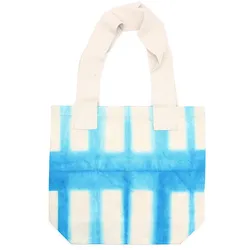
Natural Tye-Dye Cotton Bag (8oz) - 38x42x12cm - Sky Blue Blocks - Natural HandleNatural Tye-Dye Cotton Bag in a Sky Blue Blocks design, perfect for customers who are looking for a stylish and eco-friendly accessory. Measuring 38x42x12cm, providing ample space for everyday essentials.The unique Sky Blue Blocks design is created using traditional tie-dye techniques, making each bag one-of-a-kind. The bag also features a natural handle that makes it easy to carry over the shoulder.This Natural Tye-Dye Cotton Bag in Sky Blue Blocks design is sure to be a popular choice among customers who are looking for a stylish and eco-friendly accessory. Dimensions: 38x42x12cm, handle length: 33 cm10,50 €*Versand: 5,85 €Sichere Weiterleitung zum Anbieter
-
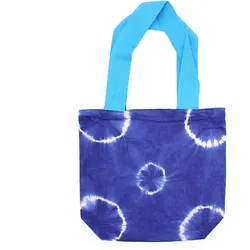
Natural Tye-Dye Cotton Bag (8oz) - 38x42x12cm - Blue Rings - Blue HandleThis Natural Tye-Dye Cotton Bag is a stylish and eco-friendly accessory that is sure to catch the eye of everyone. Measuring 38x42x12cm, this spacious bag is handmade using 100% natural cotton and features a unique tie-dye design with blue rings, making each bag one-of-a-kind.The bag is also designed with a blue handle that adds a pop of colour and makes it easy to carry. The durable cotton material ensures that the bag is strong enough to hold heavy items, while the long handle makes it comfortable to carry over the shoulder.Natural Tye-Dye Cotton Bag - Blue Rings is perfect for anybody who is looking for a sustainable alternative to traditional shopping bags. Dimensions: 38x42x12cm, handle length: 33 cm10,50 €*Versand: 5,85 €Sichere Weiterleitung zum Anbieter
-
Natural Tye-Dye Cotton Bag (8oz) - 38x42x12cm - Blue Flower - Blue HandleNatural Tye-Dye Cotton Bag in a beautiful Blue Flower design with a matching blue handle. This eco-friendly bag is handmade using 100% natural cotton and measures 38x42x12cm, providing ample space for everyday essentials.The unique Blue Flower design is created using traditional tie-dye techniques, making each bag one-of-a-kind. The bag features a matching blue handle that complements the blue flower design and makes it easy to carry over the shoulder.This Natural Tye-Dye Cotton Bag is an eco-friendly option, making it perfect for customers who are looking for a sustainable alternative to traditional shopping bags. Experience an affordable and high-quality accessory that is both fashionable and sustainable. Dimensions: 38x42x12cm, handle length: 33 cm10,50 €*Versand: 5,85 €Sichere Weiterleitung zum Anbieter
-
Tye-Dye Cotton Bag (6oz) - 38x42x12cm - Compass - Blue - Natural HandleThis Natural Tye-Dye Cotton Bag is a stylish and eco-friendly accessory that is sure to catch every eye. Measuring 38x42x12cm, this spacious bag is handmade using 100% natural cotton and features a unique tie-dye design with blue rings, making each bag one-of-a-kind.The bag is also designed with a natural handles, that smooths the whole look and makes it easy to carry. The durable cotton material ensures that the bag is strong enough to hold heavy items, while the long handle makes it comfortable to carry over the shoulder.Natural Tye-Dye Cotton Bag - Compass - Blue with natural handles is perfect for those who are looking for a sustainable alternative to traditional shopping bags. Dimensions: 38x42x12cm, handle length: 33 cm10,50 €*Versand: 5,85 €Sichere Weiterleitung zum Anbieter
-
Haben Wurzeln Chloroplasten?
Nein, Wurzeln haben keine Chloroplasten. Chloroplasten sind Organellen, die in Pflanzenzellen vorkommen und für die Photosynthese verantwortlich sind. Da Wurzeln hauptsächlich für die Aufnahme von Wasser und Nährstoffen aus dem Boden zuständig sind, benötigen sie keine Chloroplasten. Stattdessen sind Chloroplasten in Blättern und anderen grünen Teilen der Pflanze zu finden, wo sie Sonnenlicht absorbieren und in Energie umwandeln. Wurzeln sind daher nicht in der Lage, Photosynthese zu betreiben, da ihnen die Chloroplasten fehlen. **
-
Welche Zellen haben Chloroplasten?
Welche Zellen haben Chloroplasten? Chloroplasten kommen hauptsächlich in Pflanzenzellen vor, insbesondere in den Zellen von grünen Pflanzenteilen wie Blättern. Sie sind für die Photosynthese verantwortlich, den Prozess, bei dem Pflanzen Lichtenergie in chemische Energie umwandeln. Neben Pflanzenzellen können auch einige Algenzellen Chloroplasten enthalten. Tierzellen besitzen in der Regel keine Chloroplasten, da sie nicht in der Lage sind, Photosynthese durchzuführen. **
-
Haben alle Pflanzen Chloroplasten?
Haben alle Pflanzen Chloroplasten? Chloroplasten sind Organellen, die in Pflanzenzellen vorkommen und für die Photosynthese verantwortlich sind. Nicht alle Pflanzen besitzen Chloroplasten, da einige parasitäre Pflanzen oder Pflanzen ohne grüne Blätter keine Photosynthese betreiben. Einige Algenarten und bestimmte Bakterien besitzen ebenfalls Chloroplasten. Insgesamt sind Chloroplasten jedoch hauptsächlich in Pflanzenzellen zu finden, da sie für die Umwandlung von Sonnenlicht in Energie essentiell sind. **
-
Hat der Mensch Chloroplasten?
Nein, der Mensch hat keine Chloroplasten. Chloroplasten sind Organellen, die in Pflanzenzellen vorkommen und für die Photosynthese verantwortlich sind. Menschen und andere Tiere haben keine Chloroplasten in ihren Zellen, da sie ihre Energie auf andere Weise gewinnen, nämlich durch die Aufnahme von Nahrung. Die einzigen Zellen im menschlichen Körper, die Chloroplasten enthalten könnten, wären Zellen, die von Pflanzen aufgenommen wurden, wie zum Beispiel bei der Nahrungsaufnahme. Insgesamt kann man also sagen, dass der Mensch keine Chloroplasten besitzt. **
Ähnliche Suchbegriffe für Chloroplasten
-
Tye-Dye Cotton Bag (6oz) - 38x42x12cm - Lotus Buddha - Blue - Natural HandleIntroducing our Tye-Dye Cotton Bag with Buddha and Lotus design, perfect for customers who are looking for a stylish and eco-friendly accessory. Measuring 38x42x12cm, this bag is handmade using 100% natural cotton and features a unique tie-dye design with blue colour, that make each bag one-of-a-kind.The bag is designed with a natural handle that complements the pastel tones of the blue, making it easy to carry the bag comfortably over the shoulder. The durable cotton material ensures that the bag is strong enough to hold heavy items.This Natural Tye-Dye Cotton Bag is also an eco-friendly option, making it perfect for those who are looking for a sustainable alternative to traditional shopping bags. Dimensions: 38x42x12cm, handle length: 33 cm10,50 €*Versand: 5,85 €Sichere Weiterleitung zum Anbieter
-
Tye-Dye Cotton Bag (6oz) - 38x42x12cm - Mandela - Green/Blue - Natural HandleTie-Dye Cotton Bag with a mandala pattern, in a beautiful shade of blue and green, featuring a natural handle. Made from high-quality cotton material, this bag is both soft and durable, making it a reliable companion for all your travels. The unique tie-dye technique used to create the bag's stunning pattern ensures that no two bags are exactly alike.Dimensions: 38x42x12 cm, handle length: 34 cm10,50 €*Versand: 5,85 €Sichere Weiterleitung zum Anbieter
-
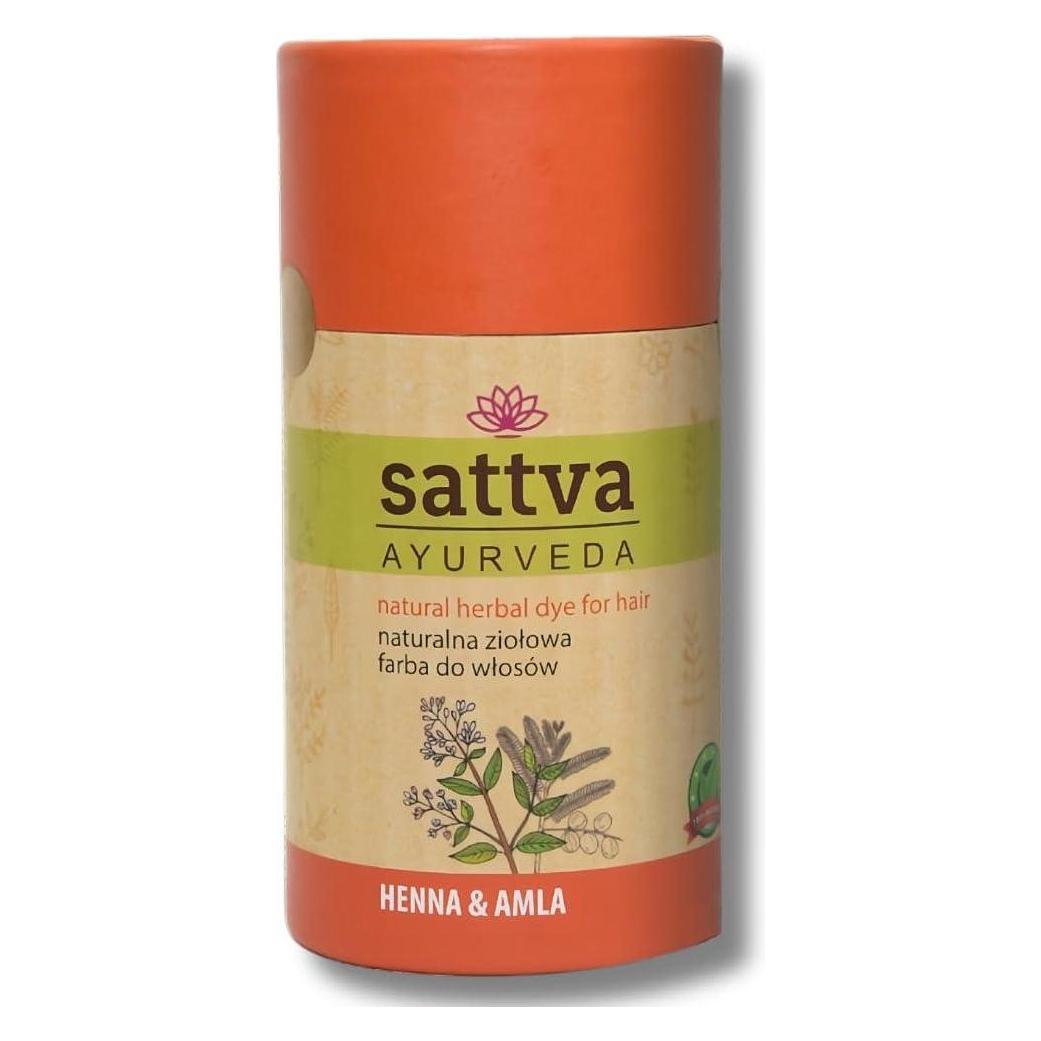
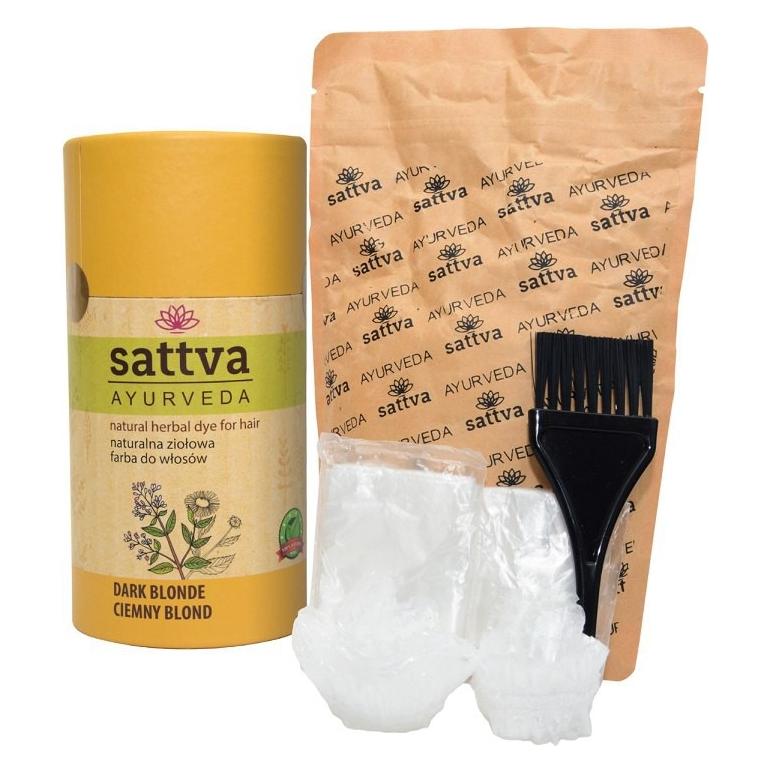
Sattva Ayurveda Sattva - Natural Herbal Dye for Hair Natural Herbal Hair Dye Darkonde 150g (Dunkelblond) (5903794180888)Sattva Ayurveda Sattva - Natural Herbal Dye for Hair Natural Herbal Hair Dye Darkonde 150g (Dunkelblond) (5903794180888)15,99 €*Versand: 3,00 €Sichere Weiterleitung zum Anbieter
-
Welche Zellen enthalten Chloroplasten?
Welche Zellen enthalten Chloroplasten? Chloroplasten sind in Pflanzenzellen enthalten, insbesondere in den Zellen von grünen Pflanzenteilen wie Blättern, Stängeln und grünen Früchten. Sie sind auch in einigen Algenzellen zu finden, die ebenfalls Photosynthese betreiben. Chloroplasten sind spezialisierte Organellen, die Chlorophyll enthalten und für die Photosynthese verantwortlich sind, bei der Lichtenergie in chemische Energie umgewandelt wird. Diese Organellen sind entscheidend für die Produktion von Nahrungsmitteln in Pflanzen und spielen eine wichtige Rolle im Ökosystem. **
-
Haben Chloroplasten eine Doppelmembran?
Haben Chloroplasten eine Doppelmembran? Chloroplasten haben tatsächlich eine Doppelmembran, die sie umgibt. Die äußere Membran dient als Schutzschicht und reguliert den Transport von Molekülen in und aus dem Chloroplasten. Die innere Membran enthält Proteine, die für die Photosynthese und andere Stoffwechselprozesse wichtig sind. Diese Doppelmembranstruktur ermöglicht es den Chloroplasten, ihre Funktionen effizient auszuführen und Energie für die Pflanze zu produzieren. **
-
Wie sind Chloroplasten aufgebaut?
Chloroplasten sind doppelmembranumhüllte Organellen, die in Pflanzenzellen vorkommen. Sie enthalten eine flüssigkeitsgefüllte Matrix, das Stroma, in dem sich Thylakoide befinden. Diese Thylakoide sind gestapelte Membranscheiben, die Chlorophyll und andere Pigmente enthalten und für die Photosynthese verantwortlich sind. **
-
Warum haben Tiere keine Chloroplasten?
Tiere haben keine Chloroplasten, da sie sich nicht durch Photosynthese ernähren. Im Gegensatz zu Pflanzen und manchen Algen sind Tiere nicht in der Lage, Sonnenlicht in Energie umzuwandeln. Stattdessen nehmen sie ihre Nährstoffe durch den Verzehr von anderen Organismen auf. **
* Alle Preise verstehen sich inklusive der gesetzlichen Mehrwertsteuer und ggf. zuzüglich Versandkosten. Die Angebotsinformationen basieren auf den Angaben des jeweiligen Shops und werden über automatisierte Prozesse aktualisiert. Eine Aktualisierung in Echtzeit findet nicht statt, so dass es im Einzelfall zu Abweichungen kommen kann. ** Hinweis: Teile dieses Inhalts wurden von KI erstellt.